
Equipment
Scotty Cameron’s Phantom OC Spec III: Black Tie, Low Torque, No Alibis
The new $800 Phantom 5 OC Spec III puts low-torque engineering in a black dinner jacket. Here are the specs, the appeal and the claims worth keeping in perspective.
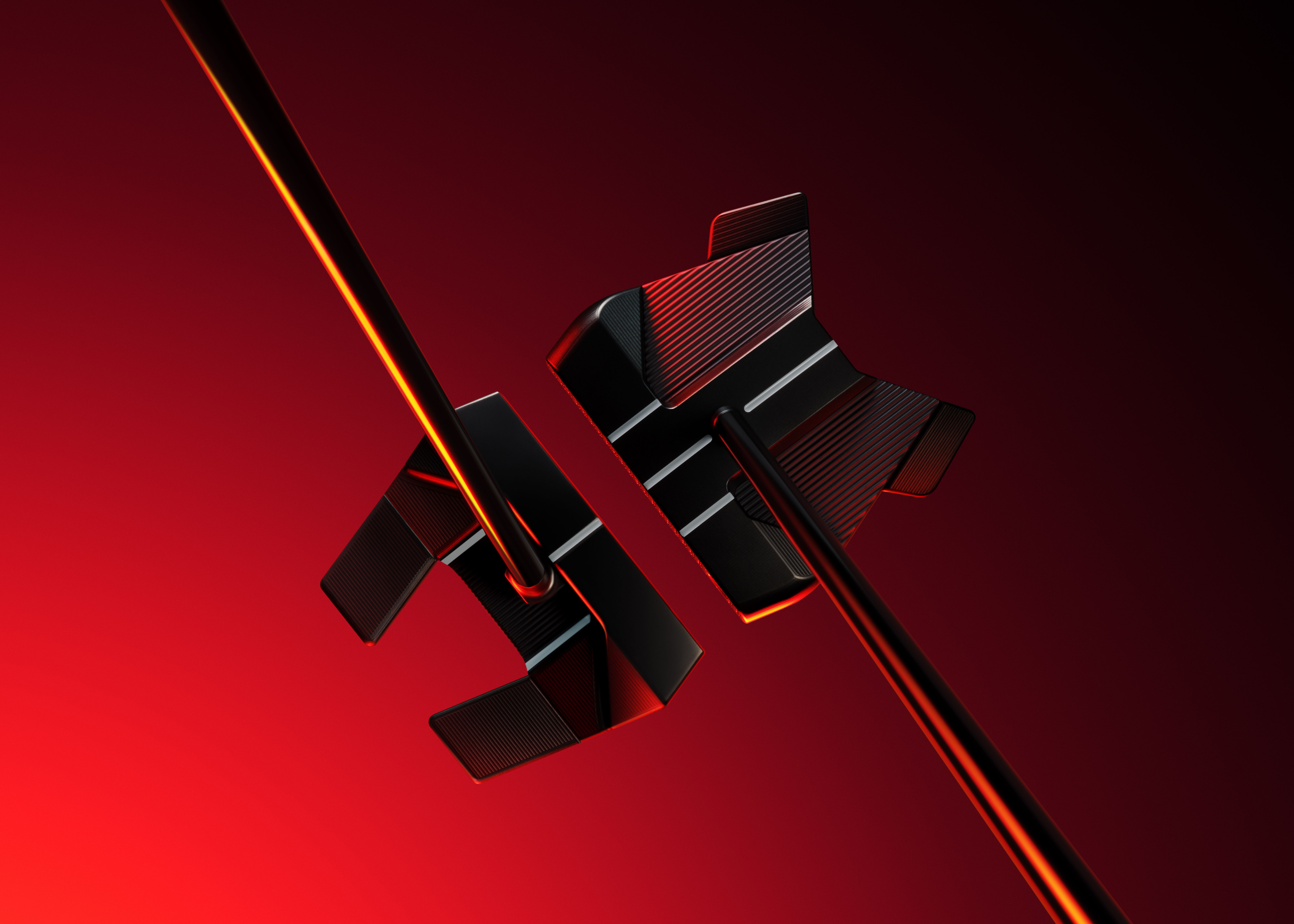
There is something reassuring about a putter called Spec III. It sounds less like a desperate attempt to fix your short game and more like a discreet performance upgrade installed by a man who refuses to discuss horsepower in front of the accountant.
Scotty Cameron has leaned into that very connection. Its new Phantom OC Spec III family borrows its name from automotive performance builds, then turns up dressed entirely in black. Apparently even the putting green has a special operations department.
The compact Phantom 5 OC Spec III is the one catching our eye. This is a wingback mallet with a black PVD finish, black steel shaft and matching mid-size Matador grip. Three bright alignment lines provide the visual contrast. Think dinner jacket with runway lights.
Behind the wardrobe is the OC layout, short for Onset Center. The shaft sits behind the leading edge and aligns with the head’s center of gravity. Scotty Cameron says that arrangement reduces twisting and encourages a square-to-the-path delivery. Importantly, the company calls it low torque, not zero torque. Physics has apparently retained legal counsel.
That distinction matters. A clever shaft location cannot read a green, select a pace or stop you from performing a last-second steering correction worthy of somebody avoiding a shopping cart. The design offers a particular way of organizing the stroke, not immunity from being its operator.
The 5 pairs its shape with a full-face Studio Carbon Steel insert and chain-link milling. Titleist describes the intended result as softer sound with useful feedback. Those are manufacturer claims, not findings from an Affluent Golfer test session. We have not rolled this model on a practice green.
The numbers are refreshingly straightforward: 33-, 34- or 35-inch lengths, 3.5 degrees of loft, a 70-degree lie angle and one degree of forward shaft lean. The Phantom 5 version is right-handed. Left-handers should look to its rounded sibling, the Phantom 11R OC Spec III, offered in both orientations.
A fitting still deserves priority over a color scheme. Ask whether the head shape, alignment picture, length and stroke behavior suit you. A putter can look magnificent in the bag and behave like an unpaid intern once it reaches the green. That is an expensive way to accessorize.
Titleist’s U.S. listing puts both limited-release models at $800 each, with the collection having reached golf shops on October 1, 2026. Availability is limited, so check the current model and length rather than assuming every configuration is waiting patiently behind the counter.
For golfers drawn to a compact mallet and a quieter-looking address position, the 5 makes an interesting fitting appointment. For everyone else, black paint is not a diagnosis.
Still, the appeal is easy to understand: thoughtful engineering, restrained menace and just enough automotive vocabulary to make a three-foot putt feel like qualifying.
Now all you have to do is hit the apex.
Product information checked October 27, 2026. Specifications and performance descriptions: Titleist and Scotty Cameron. Official photography courtesy of Titleist, supplied for editorial use. This is a product feature, not a hands-on review.