
Collector cars
The grand tourer that makes the road part of the round
The best car for a golf weekend is not merely quick. It turns the miles between the first tee and the last reservation into part of the pleasure.
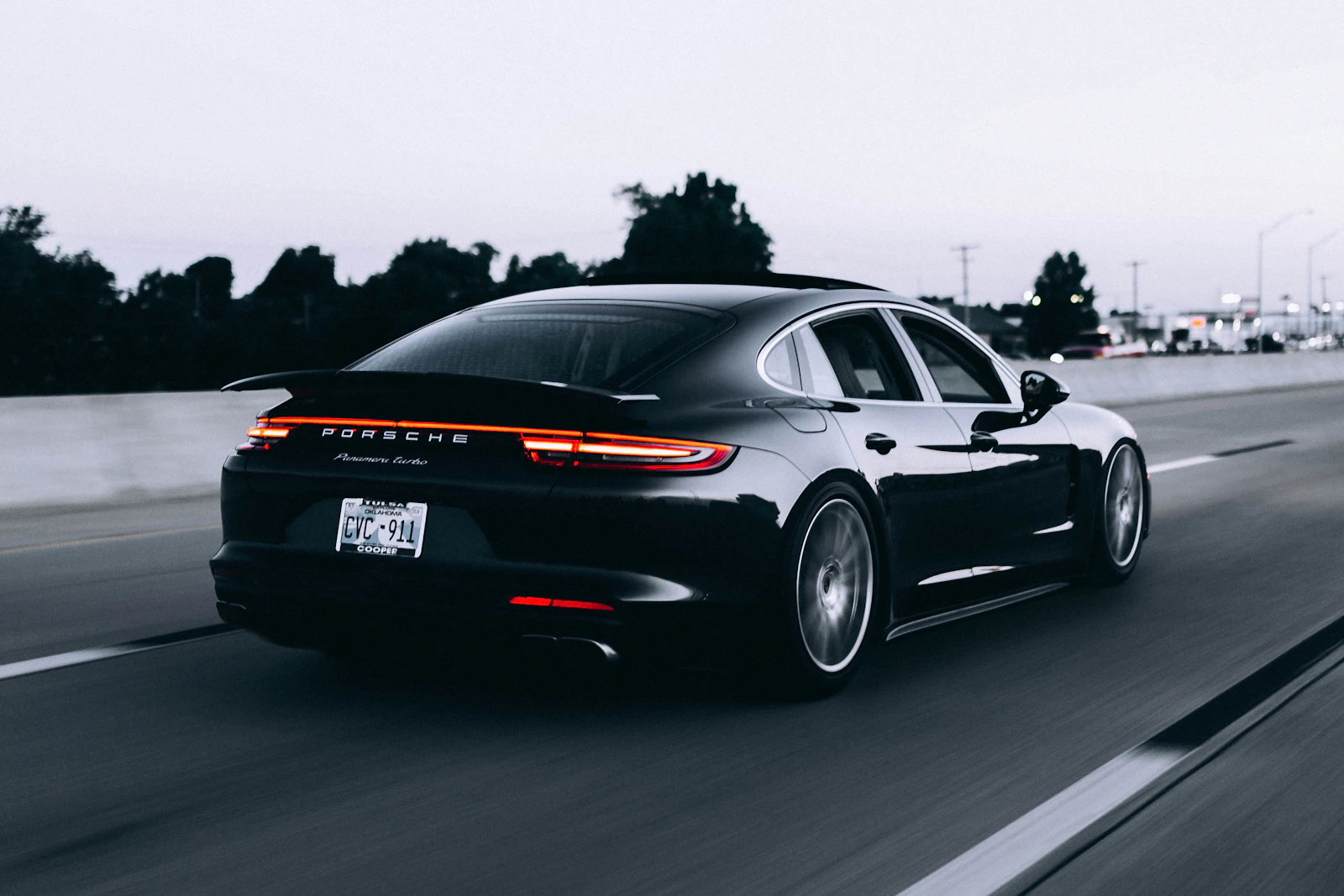
A grand tourer has a more demanding job than a fast car. It must make distance feel shorter without making the driver feel as if the journey is a qualifying session. There is a difference between arriving quickly and arriving in a condition to enjoy lunch. Golf weekends are an unusually good test because they combine luggage, weather, unfamiliar roads, and a tee time that will not wait while you negotiate with the navigation system.
Begin with the route, not the brochure. A winding coastal road rewards a different car than a long stretch of motorway followed by a narrow lane bordered by stone walls. The pleasure is in how naturally the car settles into each. Steering should give you information without asking for constant attention. The suspension should control the body without translating every imperfect surface into a written complaint. A good grand tourer makes pace feel available, not compulsory.
Then there is the luggage question, which separates actual travel from automotive fantasy. Two golf bags, a weekend case, shoes, waterproofs, and the small collection of items someone insists are essential can occupy more room than the press photos suggest. Check the measurements and the shape of the luggage area before the trip. A boot is useful when the bags fit without requiring a geometry degree and a negotiation with the parcel shelf.
Cabin comfort matters because the car is part of the day for longer than the round itself. Supportive seats, clear controls, good visibility, and a sound system that does not demand a tutorial are the sort of details that become luxurious around mile ninety. Materials should feel considered, but a pale leather interior is less charming when everyone is afraid to place a damp jacket anywhere. Choose a specification for the life you lead, not the photograph you hope to post.
The car should also behave well at the destination. A broad, low nose may look dramatic outside a country house and feel less dramatic when meeting a steep ramp or a crowded parking area. Cameras and sensors have their place. So does knowing the dimensions before turning into a lane built for horses and the occasional determined delivery driver.
None of this means the driving should be anonymous. A great GT gives the driver a sense of connection while keeping the passengers comfortable. It has enough performance in reserve for a clean overtake, enough composure to make a wet road manageable, and enough restraint that the journey remains conversational. That balance is harder to engineer than a headline figure.
For the golf trip, the ideal grand tourer carries the equipment, makes the route enjoyable, and leaves everyone ready for the day ahead. It does not need to announce itself in the clubhouse drive. The quieter achievement is that the group remembers the road as fondly as the round. A car that can manage both has understood the assignment, which is more than can be said for several people in the foursome.
Before choosing one, drive the sort of road you expect to use and bring the person who will share it. Try the luggage, test the seats, and see whether the controls make sense without a tutorial. The brochure's country-house driveway is not your itinerary.