
Fitness
Empower Your Fitness Journey with Adaptive Workouts and Healthy Habits
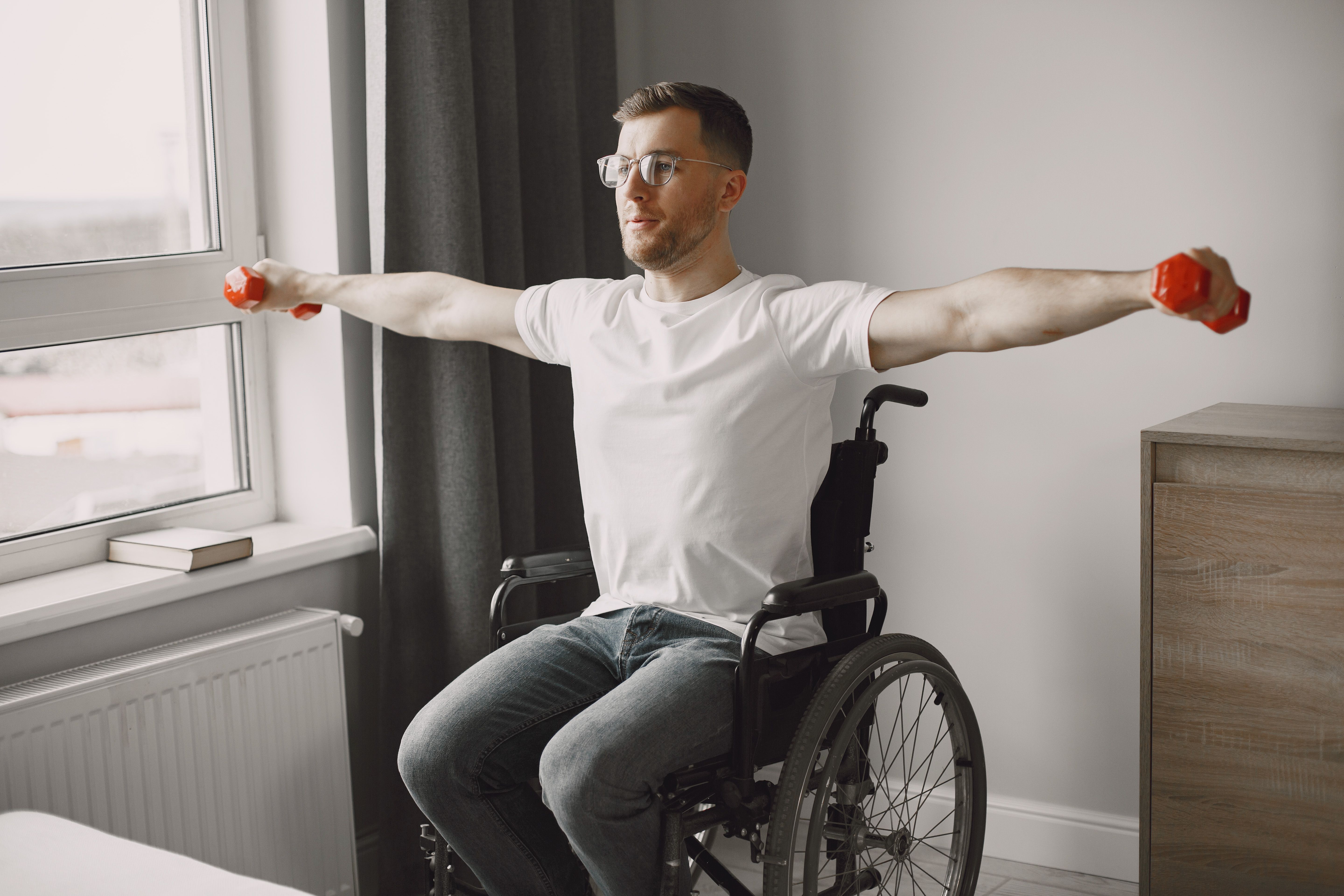
Adults living with disabilities, along with family members, caregivers, and rehab professionals supporting them, often want to prioritize health but hit real barriers in gyms, classes, and everyday routines. The core tension is simple: movement can help, yet pain flare-ups, fatigue, accessibility gaps, and fear of injury can make fitness for people with disabilities feel uncertain or out of reach. Adaptive fitness options and inclusive exercise programs can change that by meeting bodies where they are and making progress feel possible. With the right mindset and support, the benefits of physical activity with disability can include more energy, confidence, and day-to-day function. Disability fitness motivation starts with knowing there are options that fit.
Understanding Exercise Benefits and Smart Adaptation
Exercise with a disability is less about copying a standard routine and more about choosing movement that fits your body and your day. The goal is to build mobility, strength, stamina, and confidence using three guiding principles: accessibility, safety, and smart progression.
These principles matter because barriers are real, and the gap is visible in how often people get to move. Data on disabled people shows many are shut out of consistent activity, even though regular movement can support transfers, balance, pain management, and daily tasks.
Think of it like adjusting a recipe. You keep the purpose, like nourishment, but change the ingredients and portion size. A seated strength session with bands can be the right “version” of training if it is stable, pain-aware, and gradually increased. A steady morning routine makes those choices easier to repeat day after day.
Build a Morning Routine That Makes Workouts Easier to Keep
Once you understand how to adapt exercise to your body and goals, a steady morning routine can make it much easier to follow through consistently. A healthy start supports fitness by helping you feel more ready, physically and mentally, to move later, even on days when symptoms or energy fluctuate. Use this time to prepare yourself for the day by hydrating, planning for your energy needs, and choosing a simple mindset cue that helps you begin with confidence. If you like structure, morning routine habits can offer practical ideas you can tailor to your needs. Next, you’ll look at activities, gear, and safety considerations to help you choose what to do today.
Choose Your Next Activity: Sports, Workouts, Gear, and Safety
A good workout plan should fit your body and your day. Use this menu to pick an activity you’ll actually do, pair it with supportive gear, and build in safety steps so you can progress with confidence.
1. Pick a “today-friendly” workout using your morning routine cues: After your hydration/energy check, choose one option that matches your current bandwidth: 10–20 minutes of mobility and band work, 20–40 minutes of strength, or 15–30 minutes of cardio intervals. This works because it turns your morning routine into a decision filter, less debating, more doing. Keep a short list of go-to modifications (seated, wall-supported, or lying down) so you can start even on low-energy days.
2. Try disability-friendly cardio with clear intensity targets: Choose a mode that’s joint- and access-friendly, wheelchair rolling, arm cycling, recumbent cycling, water walking, or seated dance. Use a simple scale: aim for “can talk in short sentences” for most sessions, and sprinkle in 4–6 rounds of 30–60 seconds a bit harder with 1–2 minutes easy between. If you’re exploring equipment, the growing ecosystem of machines matters because the CAGR of 4.4% suggests adaptive cardio options are becoming more available over time.
3. Build strength around movement patterns, then adapt the setup: Plan 2–3 strength days/week using push, pull, hinge, squat, and carry patterns, then choose the safest variation for your body (seated press, chest-supported row, sit-to-stand, supported hip hinge, farmer carry with a mobility aid). Keep reps in a “clean form” range (often 6–12) and stop with 1–3 reps in reserve so you’re training without grinding. This approach makes it easier to progress while respecting pain, fatigue, spasticity, or balance changes.
4. Explore adaptive sports by choosing one skill to practice for 2 weeks: Adaptive sports for disabilities can be great motivation because they give you a purpose beyond “exercise.” Pick one sport that matches your interests and local access, adaptive cycling, wheelchair basketball/tennis, seated volleyball, rowing, swimming, or handcycling, and commit to two short skill sessions/week (like starts/stops, turning, braking, passing, or stroke timing). Treat it like practice, not punishment; even 15 focused minutes counts.
5. Use assistive fitness technology and wearable accessories to reduce friction: Choose wearables that solve a real problem: heart-rate tracking for pacing, vibration/timer cues for intervals, grips or lifting straps for limited hand strength, gloves to protect skin, or transfer-friendly mats for floor work. Set one “autopilot” feature, like an interval timer or reminder that triggers right after your morning routine, so the session begins without extra steps. If a device doesn’t make workouts easier within a week, simplify and swap.
6. Follow a safety checklist that protects your progress: Start every session with 3–5 minutes of warm-up in the positions you’ll use (seated, standing, or supported), then do your first set at ~50–70% effort to test joints and coordination. Track your body’s signals: unusual pain, new numbness/tingling, dizziness, skin irritation from braces, or swelling are “stop and reassess” signs. Progress slowly, add one variable at a time (time, resistance, or speed) and use a quick post-workout note to spot patterns before they become setbacks.
When you have a few go-to activities, a small set of helpful gear, and a simple safety routine, it becomes much easier to handle motivation dips, worry about injuries, and make smart choices for a home setup that fits your space and access needs.
Adaptive Fitness Questions People Ask Most
Q: How do I stay motivated when my energy or symptoms change day to day? A: Make your goal consistency, not perfection: commit to a “minimum” session you can complete even on hard days, like 8–12 minutes of gentle strength or mobility. Track a simple win metric such as “I started” or “I moved for 10 minutes.” It can also help to remember that many others are navigating the same barriers, since 47% of people with a disability aged 15-64 years engaged in some form of physical activity in the previous week.
Q: What should I do if pain flares up mid-workout? A: Pause and switch to a safer position or smaller range of motion, then reassess how it feels after 60–90 seconds. If sharp, new, or escalating pain shows up, stop the lift or interval and choose breath work, gentle mobility, or an easy roll instead. Write down what triggered it so you can adjust load, tempo, or setup next time.
Q: How can I modify exercises without feeling like I’m “cheating”? A: A modification is a strategy, not a shortcut, because it helps you train the same muscles with better control. Use supports like a wall, chair, straps, or a bench and keep the effort challenging but steady. Progress by adding time, reps, or resistance only when your form stays consistent.
Q: When is the right time to increase weight or intensity? A: Increase only after you can repeat the session for at least two workouts with stable technique and no lingering soreness that disrupts daily life. Change one variable at a time, such as 1–2 extra reps or one small resistance bump. If you feel wiped out for more than a day, scale back and build up more slowly.
Q: What’s a realistic home gym setup on a tight budget and limited space? A: Start with a few high-use basics: resistance bands, a sturdy chair, a non-slip mat, and a door anchor or light dumbbells. Prioritize items that reduce friction, like grip aids, gloves, or a timer you can start easily. More options keep emerging as fitness platforms for disabled grow, so you can add tools gradually when they truly make sessions easier.
Build Consistent Progress with Inclusive, Adaptive Fitness Habits
Fitness can feel like a constant negotiation with pain, fatigue, time, access, or equipment, especially when overcoming fitness barriers has been part of daily life. A positive mindset in adaptive fitness, paired with accessible workout strategies and flexible expectations, keeps the focus on what’s possible today rather than what’s missing. With inclusive fitness encouragement and patience, fitness persistence for disabilities becomes less about pushing through and more about adapting and returning. Consistency grows when workouts fit your body, your life, and your access needs.